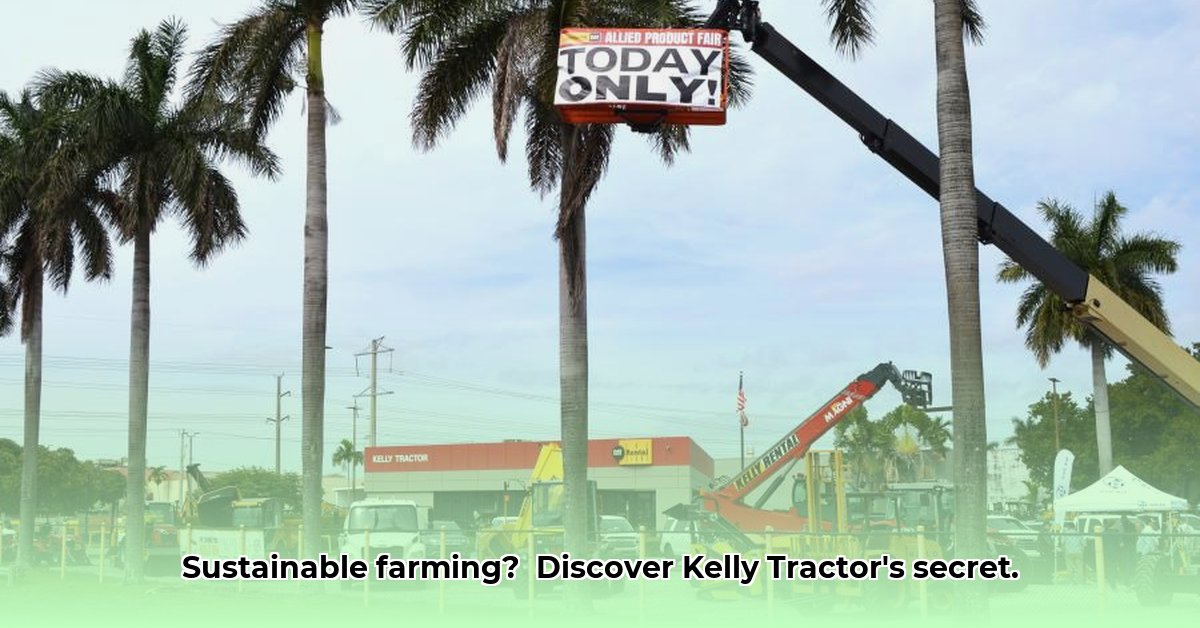
Southwest Florida's agricultural landscape is undergoing a transformation, driven by the urgent need for sustainable farming practices. Balancing food production with environmental stewardship requires innovative solutions and a commitment to technological advancements. Kelly Tractor Fort Myers is at the forefront of this change, partnering with local farmers to implement efficient and eco-friendly methods. This article explores how Kelly Tractor's contributions are fostering a more sustainable future for agriculture in the region, highlighting real-world successes and the challenges overcome along the way. For more on agricultural technology, check out this helpful resource: tractor supply.
Precision Agriculture: A Data-Driven Approach to Sustainability
The cornerstone of sustainable agriculture in Southwest Florida is precision farming—a data-driven approach that optimizes resource use. This contrasts with traditional farming methods, moving beyond blanket applications of water, fertilizers, and pesticides to targeted, efficient strategies. GPS-guided tractors ensure accurate seed placement, minimizing waste and maximizing yields. Soil sensors provide real-time information on nutrient levels, allowing farmers to apply fertilizer precisely where it's needed. Drones offer aerial perspectives, enabling rapid identification and remediation of issues like disease outbreaks or nutrient deficiencies. This precision minimizes inputs, reducing costs and environmental impact. Isn't it remarkable how technology can transform age-old practices?
Real-World Success Stories: Empowering Sustainable Farming
Kelly Tractor Fort Myers' impact is best illustrated through the success stories of local farmers.
Citrus Grove Revitalization: A citrus grower grappling with disease and water scarcity partnered with Kelly Tractor to implement a precision irrigation system. The result? A 30% reduction in water consumption, healthier trees, and increased yields—a testament to the power of data-driven irrigation. The financial benefits also resonated, as fertilizer costs decreased due to targeted application. This is a perfect example of a sustainable solution boosting both profitability and environmental responsibility.
Vegetable Production Revolutionized: Another farmer facing soil erosion and escalating labor costs adopted no-till farming techniques with Kelly Tractor's support. GPS-guided planting and weeding equipment dramatically reduced soil erosion and labor costs. Additionally, this method increased soil biodiversity, creating a more resilient and productive farming system. This demonstrates that sustainable practices aren't just environmentally beneficial; they can also enhance economic viability.
Overcoming Challenges: Accessibility and Training
While the potential of precision agriculture is immense, its adoption faces hurdles. The initial investment in technology can be daunting for some farmers, and adequate training is essential for effective operation and maintenance. Kelly Tractor addresses these challenges proactively. They offer flexible financing options to make technology accessible and provide comprehensive training programs to equip farmers with the necessary skills. This commitment to collaboration emphasizes the importance of a holistic approach to sustainable agriculture. How can we further support farmers in accessing these transformative technologies?
The Future of Sustainable Agriculture: A Collaborative Vision
The future of agriculture in Southwest Florida hinges on technological advancements and a dedication to sustainability. Kelly Tractor Fort Myers is actively shaping this future. Their commitment extends beyond equipment sales; they foster a supportive environment through ongoing technical assistance and community engagement. This collaborative strategy ensures that farmers have the resources and support they need to transition to sustainable practices. What role can governmental policy play in further accelerating the adoption of these technologies?
Conclusion: A Partnership for a Sustainable Tomorrow
Kelly Tractor Fort Myers demonstrates that its role transcends the simple sale of machinery. They are actively building a collaborative ecosystem, empowering farmers to embrace sustainable practices. This approach yields mutual benefits: increased productivity and profitability for farmers and reduced environmental impact through optimized resource management. The future of Southwest Florida's agricultural landscape is promising, with partnerships like this fostering a thriving and sustainable agricultural community. Let's continue to champion such collaborations to achieve true agricultural sustainability.